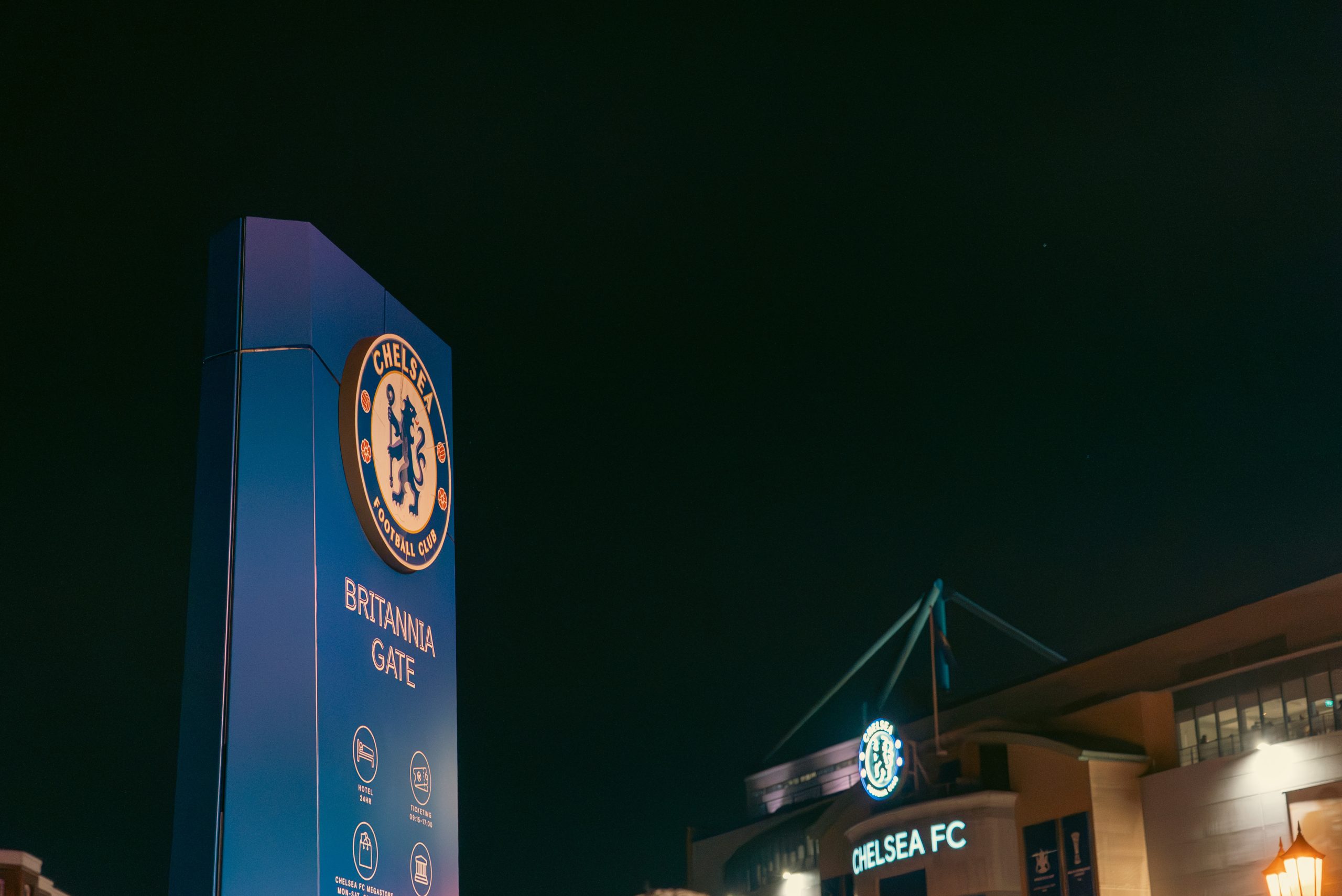
Stamford Bridge first opened in 1877, originally functioning as an athletics stadium rather than a football ground. It was not until 1905 that businessman Gus Mears founded Chelsea Football Club specifically to occupy the venue — a founding story unlike any other in the English game.
From the beginning, Stamford Bridge was among the largest stadiums in England. Early crowds regularly exceeded 60,000 spectators, reflecting the rapid popularity of football in London during the early twentieth century. Major redevelopment during the 1990s modernised the ground and converted it into the all-seater stadium seen today.
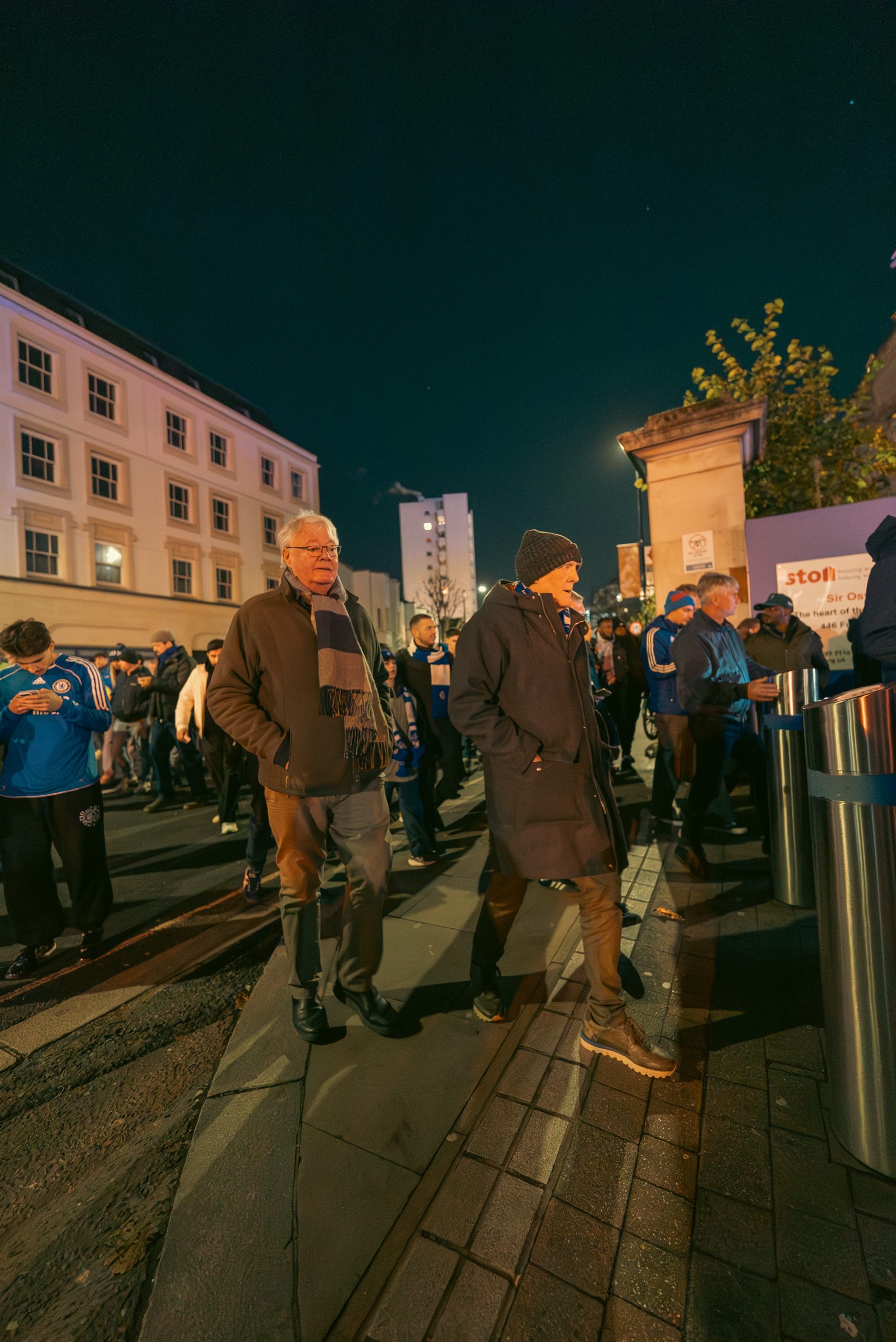
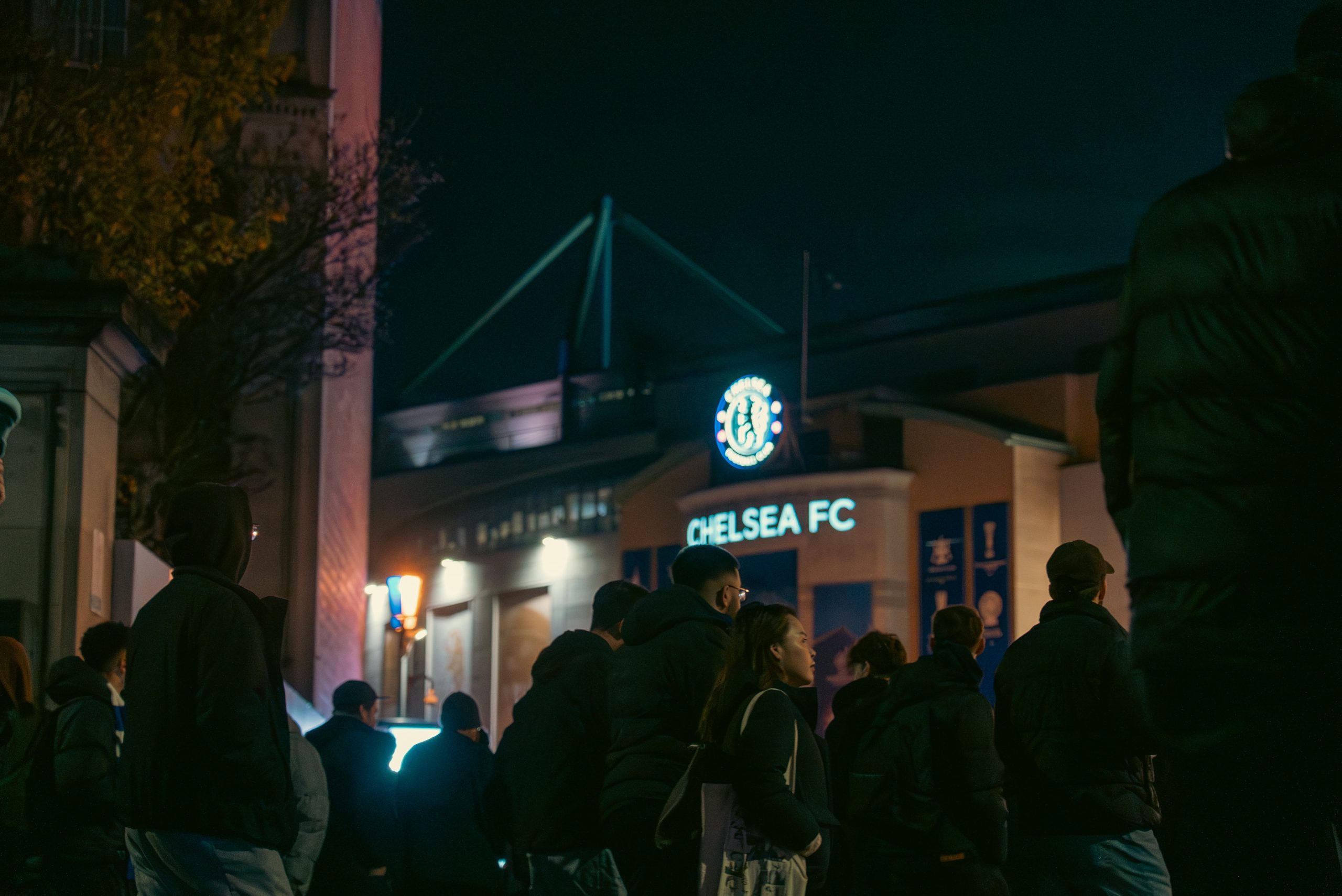
With a capacity of just over 40,000 spectators, Stamford Bridge is smaller than many modern arenas, but its compact design places supporters close to the pitch and creates an intense matchday atmosphere. The Shed End remains the heart of the club’s supporter culture.
The stadium has witnessed many defining moments in Chelsea’s history, including the dramatic run to the 2012 UEFA Champions League Final victory and the dominant domestic seasons under managers such as José Mourinho. Players including Frank Lampard, Didier Drogba and John Terry became symbols of the club’s rise to European prominence, with Stamford Bridge as the stage for many of their greatest performances.



 Officially appointed by Chelsea