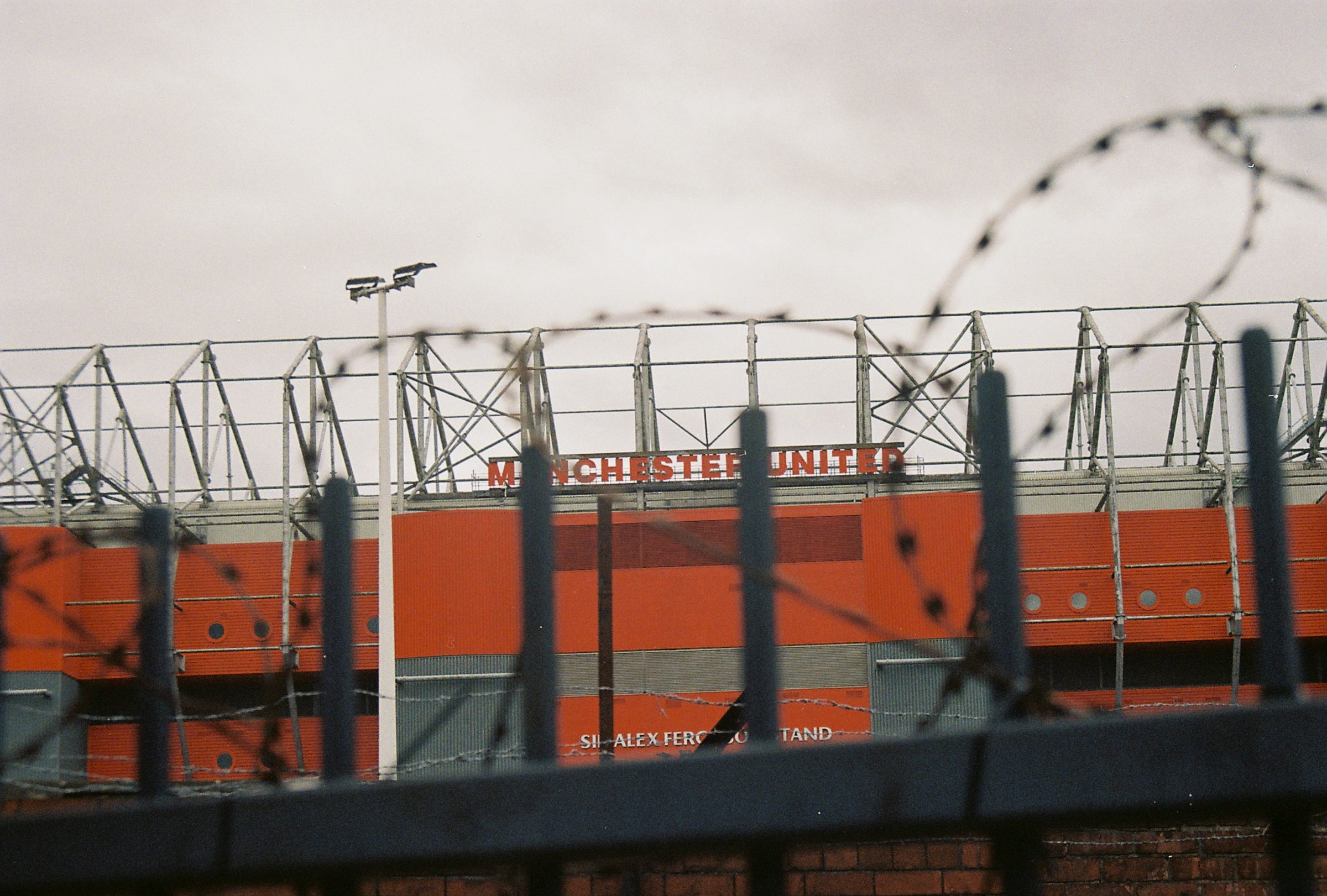
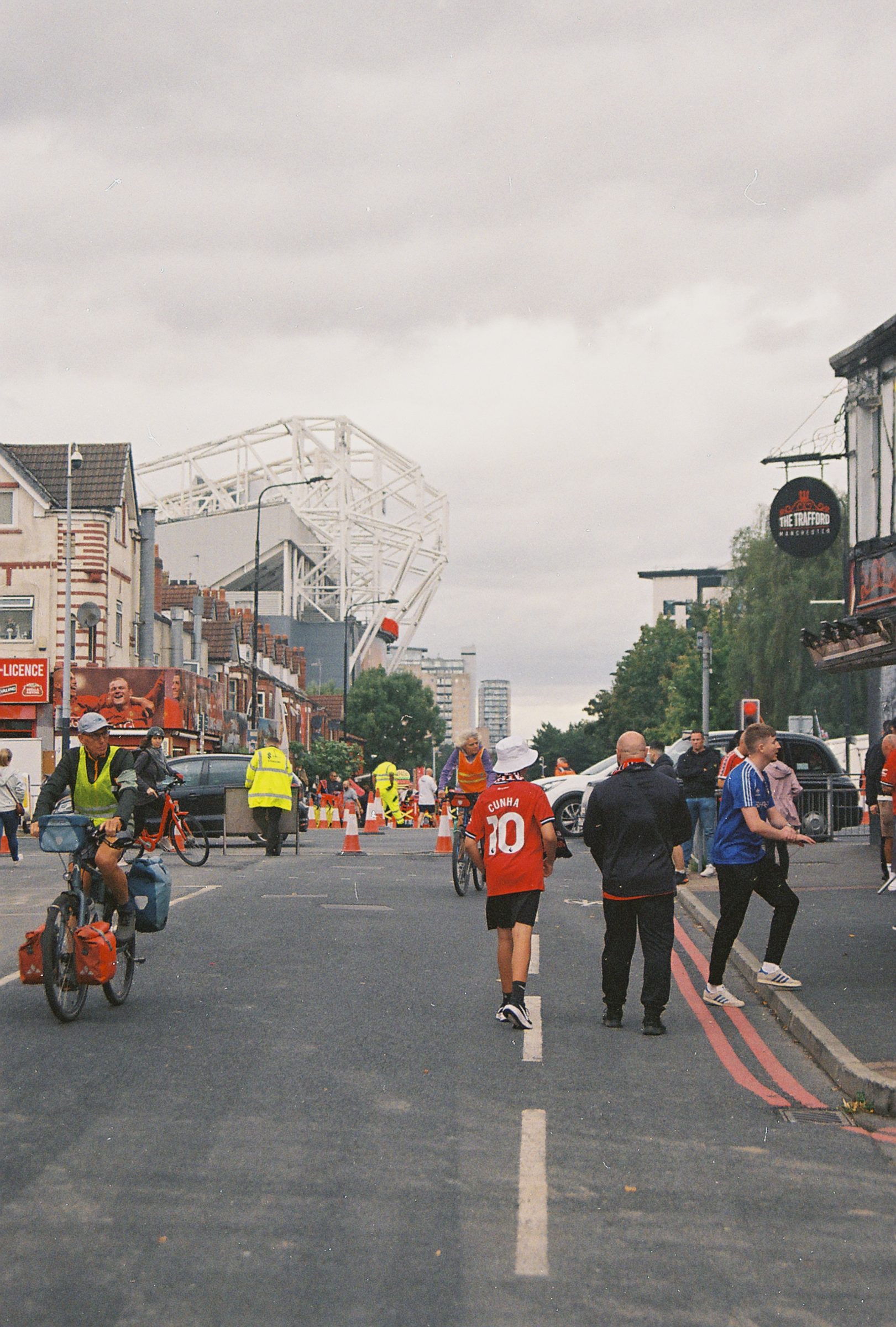
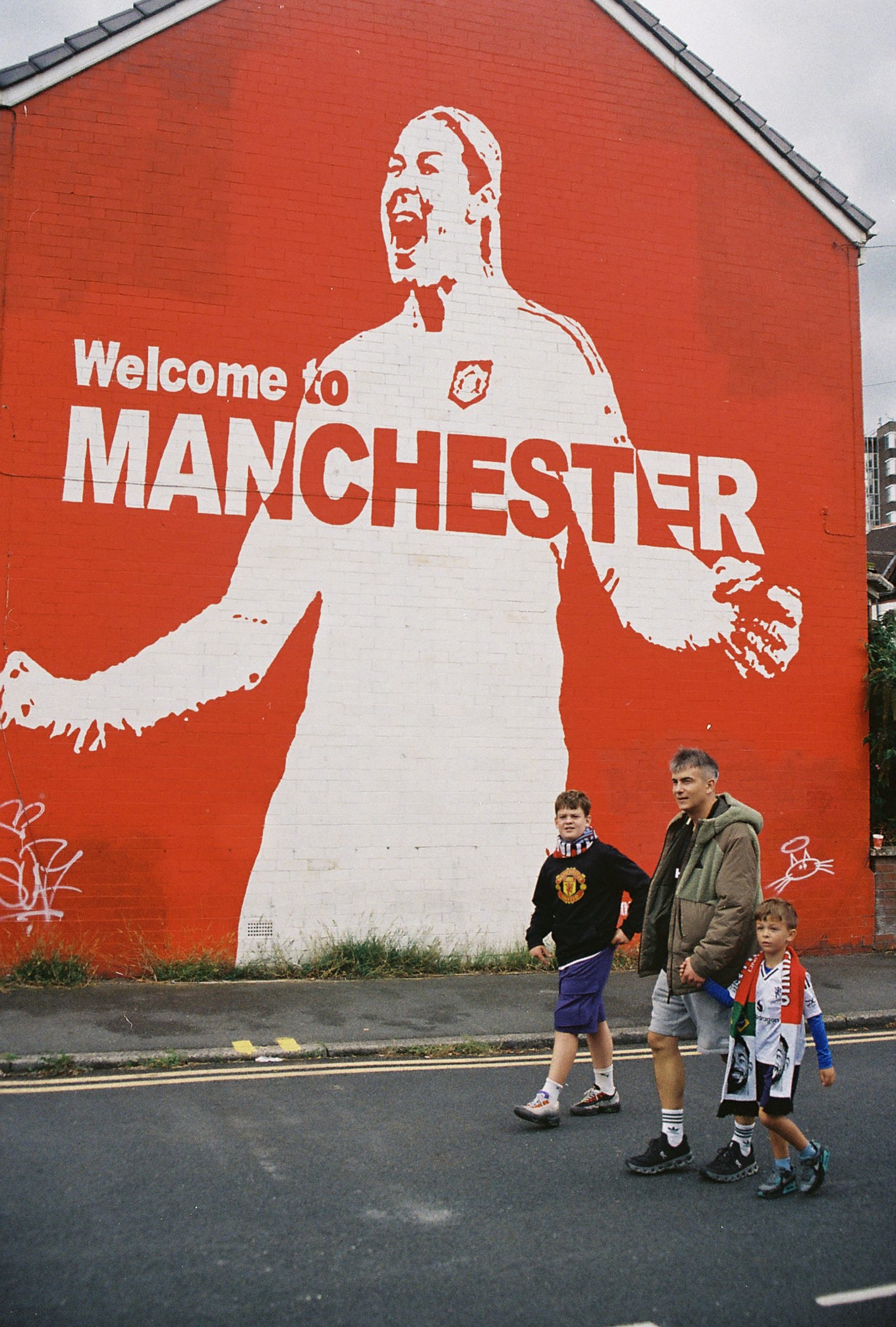
Opened in 1910 and designed by renowned Scottish architect Archibald Leitch, Old Trafford quickly became one of England’s most impressive football venues. At the time, it was considered one of the finest stadiums in the country, with large covered stands and an imposing grandstand that reflected Manchester United’s growing ambitions.
During the Second World War, the stadium suffered extensive damage after being bombed during the Manchester Blitz in 1941. For several years afterwards, Manchester United were forced to share Maine Road with rivals Manchester City while Old Trafford was rebuilt.
Following reconstruction and several later expansions, the stadium has grown to a capacity of more than 74,000 spectators, making it one of the largest club stadiums in England. Old Trafford has hosted countless major occasions, including matches during the 1966 FIFA World Cup, Euro 1996 and the 2003 UEFA Champions League Final between AC Milan and Juventus.
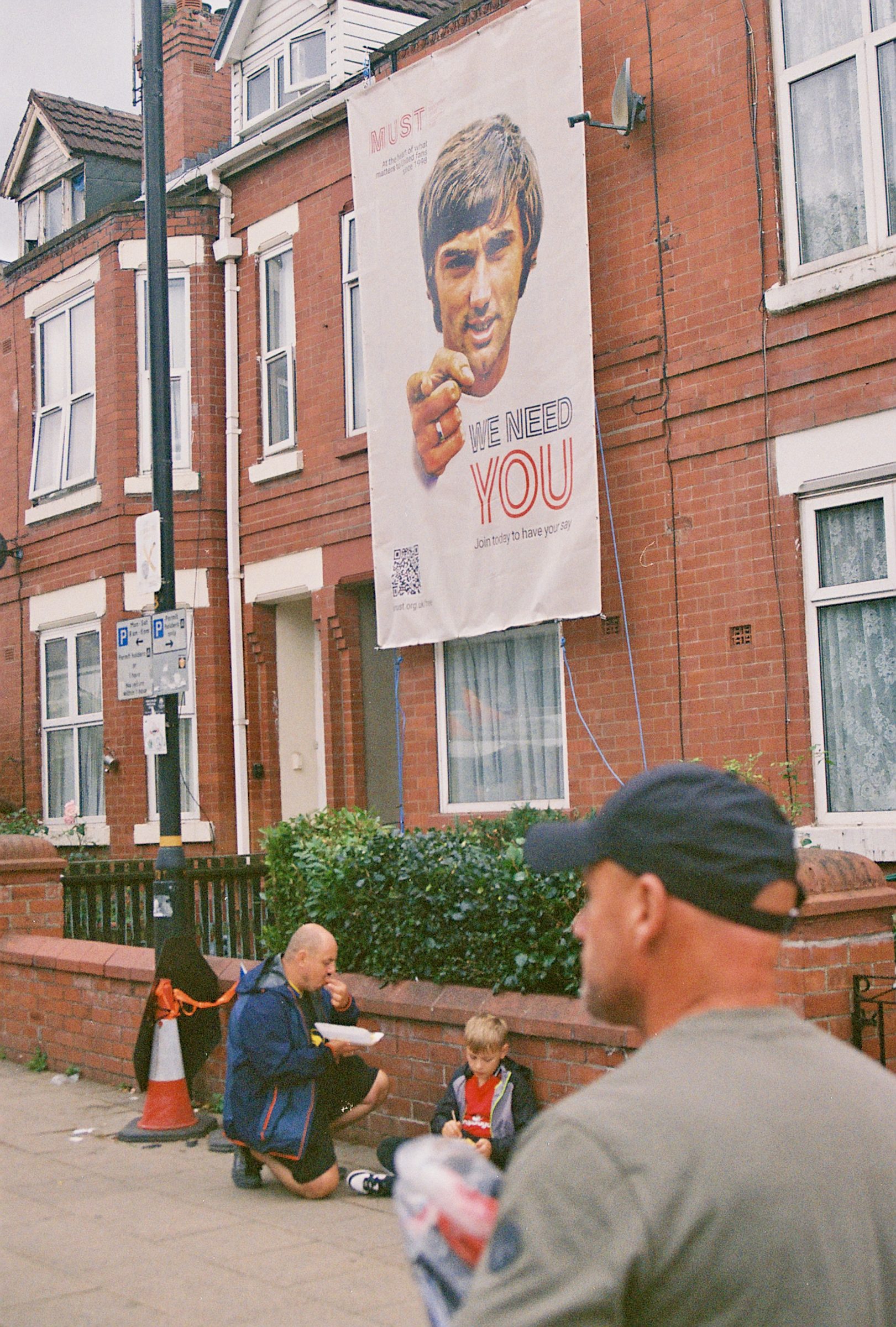
The stadium has witnessed the brilliance of players such as George Best, Eric Cantona, Ryan Giggs, Cristiano Ronaldo and, of course, the Busby Babes. What makes Old Trafford special, however, is not simply its size or history. The Stretford End remains one of the most famous terraces in English football, where generations of supporters have created the atmosphere that defines matchdays in Manchester.



 Officially appointed by Manchester United